細胞外小胞を対象とした血漿の採血・処理法の最適化と、保存血漿の活用法の開発
Abstract
This project aims to improve the foundations of blood-based testing so that changes in health and disease can be understood more accurately. Blood contains extremely small particles released from cells throughout the body(Extracellular Vesicles: EVs). These particles are known to reflect physical conditions and disease-related changes, and they are increasingly expected to support future medical diagnosis and care.
However, during the process of preparing blood samples, certain blood components--especially platelets--can unintentionally mix into the sample. When this happens, the information obtained from the blood can become unclear, making accurate evaluation difficult. The extent of this mixing varies greatly from person to person, which can lead to inconsistent results. In addition, for blood samples that have already been stored, there are currently very limited ways to reduce this effect, meaning that valuable donated samples are not always used to their full potential.
In this project, we will carefully review and improve blood collection and processing methods to reduce unwanted components as much as possible. We will also focus on blood samples from children, which are especially precious due to the limited amount that can be collected, and work to clarify conditions under which these samples can be used safely and effectively. Furthermore, we will explore new approaches to minimize the impact of these issues in already stored blood samples.
By doing so, this effort seeks to ensure that blood samples generously provided by patients are not wasted, and that they can contribute more effectively to future medical advances. By improving these behind-the-scenes processes, we aim to support more reliable medical research and, ultimately, better healthcare for patients and society.
Perspectives
This initiative aims to make the most effective use of blood generously provided by patients, ensuring that it is not wasted and can contribute to future medical care. By improving the accuracy of blood tests, our understanding of diseases can be advanced, potentially leading to more reliable diagnoses and treatments that offer greater peace of mind. The cooperation of each individual patient will be meaningfully utilized to help shape the future of medicine.
Comments from principal researcher
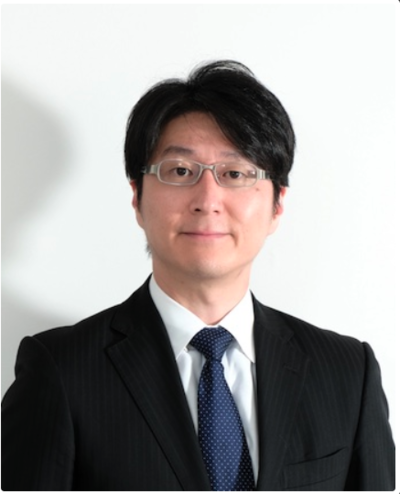
Throughout my career, I have been given many opportunities to care for patients whose diagnoses were difficult to determine. Through these experiences, I became aware of critical challenges, learned the importance of addressing them, and continue to learn from them to this day. In addition to improving the quality of blood samples, we are also advancing research that maximizes the use of clinical text (such as medical records) as data. By integrating these efforts, I believe we can provide precise and optimal medical care tailored to each individual patient, and I will continue to pursue this research with that goal in mind.Throughout my career, I have been given many opportunities to care for patients whose diagnoses were difficult to determine. Through these experiences, I became aware of critical challenges, learned the importance of addressing them, and continue to learn from them to this day. In addition to improving the quality of blood samples, we are also advancing research that maximizes the use of clinical text (such as medical records) as data. By integrating these efforts, I believe we can provide precise and optimal medical care tailored to each individual patient, and I will continue to pursue this research with that goal in mind.